
QUICK SUMMARY
Supporting an autistic friend starts with respect. Friendship does not mean forcing someone to socialize, communicate, or participate in the same way as everyone else. It means learning how your friend communicates, respecting sensory needs, being patient with differences, and including them without pressure or shame. Autistic people may enjoy friendship deeply, but they may show connection, comfort, excitement, or overwhelm in ways that look different from what others expect.
Friendship is important at every age. Children, teenagers, and adults all need connection, belonging, and people who accept them as they are. For autistic people, friendship can be meaningful, joyful, and deeply valued, but it may not always follow the usual social script.
An autistic friend may prefer one-on-one time instead of large groups. They may enjoy parallel activities more than constant conversation. They may need quiet breaks, clear plans, direct communication, or extra time to respond. They may show care through actions, shared interests, loyalty, honesty, or simply spending time near someone.
This guide is not a social skills program or therapy advice. It is a practical, respectful guide for families, classmates, siblings, peers, and community members who want to support autistic friends with more understanding.
Friendship Can Look Different
One of the most helpful things to understand is that friendship does not have to look one specific way.
Some people connect through conversation. Others connect through shared activities. Some like group games, parties, and constant interaction. Others prefer quiet play, focused interests, routines, or being together without talking much.
An autistic child may enjoy playing beside another child without directly joining in the same game. An autistic teenager may prefer texting instead of phone calls. An autistic adult may value a friend who is comfortable with quiet companionship. These are still real forms of connection.
Sometimes autistic friendship is misunderstood because people expect certain visible signs: eye contact, small talk, frequent invitations, quick replies, or constant social energy. But caring can be shown in other ways.
An autistic friend may show care by remembering details, sharing a favourite topic, making something for someone, being honest, sitting nearby, following through on plans, or wanting routines to stay predictable.
Different does not mean less meaningful.
Use Clear and Kind Communication
Clear communication is one of the best ways to support an autistic friend.
Many autistic people prefer direct language because hints, sarcasm, vague plans, or unspoken expectations can be confusing. This does not mean communication needs to be cold or blunt. It can be clear and kind at the same time.
Instead of saying: “Maybe we should hang out sometime.”
Try: “Would you like to come over on Saturday from 2 to 4?”
Instead of saying: “You know what I mean.”
Try: “I mean that I need a few minutes alone, but I am not upset with you.”
Instead of saying: “Just act normal.”
Try: “You can sit with us, and you do not have to talk if you do not want to.”
Clear communication removes guesswork. It helps the autistic person understand what is happening, what is expected, and whether they are welcome.
For children, parents can model this kind of language. Instead of telling a child, “Go play properly,” an adult might say, “You can ask Sam if he wants to build with blocks, or you can sit beside him and build your own tower.”
Simple, specific language can make friendship less stressful.
Respect Sensory Needs
Sensory needs can affect social situations. A place that feels fun to one child may feel overwhelming to an autistic child. Birthday parties, cafeterias, playgrounds, malls, movie theatres, sports games, classrooms, and family gatherings can be noisy, bright, crowded, or unpredictable.
An autistic friend may need:
- A quieter place to sit
- Headphones
- A break from noise
- Time away from a group
- Softer lighting
- Fewer people nearby
- Warning before loud sounds
- A shorter visit
- A familiar object or comfort item
- A clear way to leave when overwhelmed
Respecting sensory needs is not special treatment in a negative sense. It is a way of making friendship possible.
For example, if a friend becomes overwhelmed at a birthday party, it is more helpful to offer a quiet space than to say, “Everyone else is fine.” If a friend wears headphones, that does not mean they are ignoring people. They may be helping their body manage the environment.
Good friends do not shame someone for needing support.
Do Not Force Eye Contact or Constant Talking
Some autistic people find eye contact uncomfortable, distracting, or too intense. Others may make eye contact sometimes but not when they are thinking, listening, stressed, or tired.
A person can listen without looking directly at someone’s eyes.
Forcing eye contact can make conversation harder, not easier. It may also make the autistic person feel judged or unsafe.
Constant talking can also be tiring. Some autistic people enjoy conversation, especially about topics they care about. Others may need pauses, quiet time, written communication, or activities that do not require much talking.
Supportive friendship allows different ways of being together.
A friend might say:
- “It is okay if you do not want to talk right now.” or;
- “We can draw while we sit together.” or;
- “You can text me later if that is easier.”
These small messages can make social situations feel much more accepting.
Include Without Pressuring
Inclusion is important, but inclusion should not feel like pressure.
An autistic friend should be invited, welcomed, and considered. But they should not be forced into activities that are overwhelming, confusing, or uncomfortable. The goal is not to make the autistic person perform social behaviour in a way that pleases everyone else. The goal is to make connection more accessible.
For example, instead of saying: “You have to join the game.”
Try: “You can join us if you want, or you can watch first.”
Instead of saying: “Why are you sitting alone?”
Try: “Do you want company, or would you like quiet time?”
Instead of saying: “You never come to parties.”
Try: “We are having a small get-together. You can come for part of it if that feels better.”
This gives the person a choice. Choice can reduce anxiety and make participation easier.
Understand Parallel Play and Shared Interests
Parallel play means being near someone while doing a separate or similar activity. It is common in young children, but it can also be meaningful for autistic children, teens, and adults.
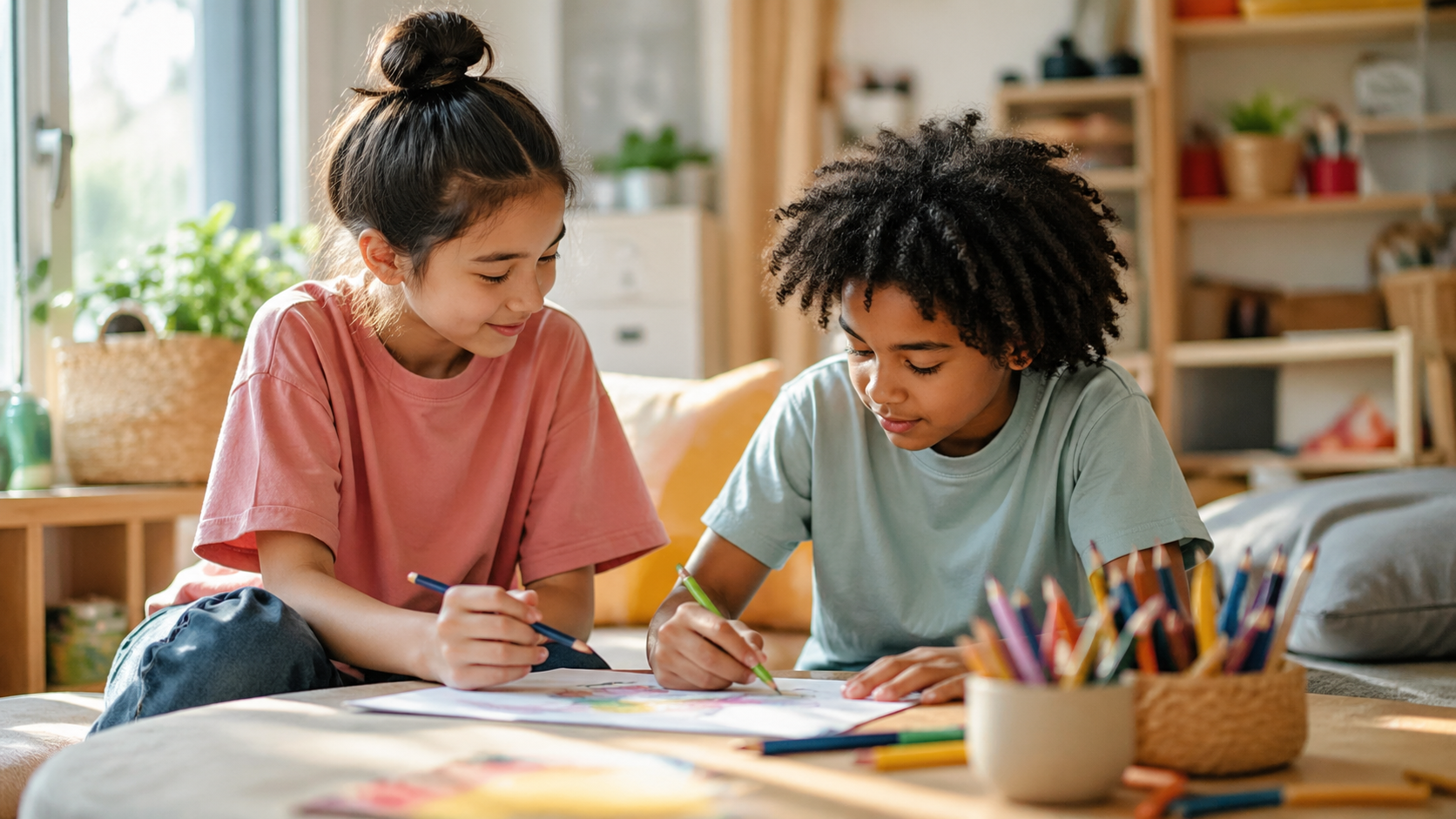
Two children might sit at the same table drawing different pictures. Two friends might play separate video games while chatting occasionally. Two adults might read in the same room, work on separate hobbies, or share quiet time without much conversation.
This can still be friendship.
Shared interests can also be a powerful bridge. An autistic person may connect deeply through a favourite topic, game, book, animal, sport, hobby, subject, or collection. When someone shows genuine interest in that topic, it can create trust and connection.
Parents and teachers sometimes worry when a child talks a lot about one interest. But that interest may be one of the child’s strongest ways of connecting.
A helpful friend might ask:
- “Can you show me how that works?” or;
- “What do you like most about it?” or;
- “Can we do that together for a while?”
Respecting interests does not mean every conversation must be about one topic. It means recognizing that interests can be meaningful, comforting, and social.
Be Patient With Overwhelm, Changes, or Quiet Time
Autistic people may need more recovery time after social situations. A fun event can still be exhausting. A child may enjoy a playdate and still need quiet afterward. A teenager may want friends but feel drained by school social demands. An adult may value friendship but need time alone after work or gatherings.
Patience matters.
If an autistic friend becomes quiet, cancels plans, leaves early, or needs a break, it may not mean they do not care. They may be overwhelmed, tired, uncertain, or trying to regulate.
Changes in plans can also be hard. If possible, give advance notice. Explain what is changing and what will happen instead.
For example:
“Soccer was cancelled because of rain. We are going home now, and we can play tomorrow.”
or:
“The restaurant is too loud. We can get food and eat somewhere quieter.”
This kind of communication can prevent stress and help the autistic person feel respected.
Avoid Teasing, Shame, and “Jokes” About Differences
Friendship should be safe. Teasing an autistic person about their voice, movement, interests, sensory needs, routines, stimming, food preferences, or communication style can be deeply hurtful.
Sometimes people say, “I was only joking.” But if the joke makes someone feel embarrassed or unsafe, it is not harmless.
Children should be taught that differences are not invitations for teasing. Adults should model this too. If a child wears headphones, uses a visual schedule, talks differently, stims, prefers routine, or needs a break, those needs should be treated with respect.
Kindness does not mean walking on eggshells. It means not turning someone’s way of being into entertainment.
How Parents Can Help Children Support Autistic Friends
Parents can play an important role in helping children understand autistic friends. This does not need to be complicated. It can begin with simple, respectful explanations.
A parent might say:
- “Your friend hears loud sounds more strongly, so headphones help.” or;
- “She likes playing beside people before joining in.” or;
- “He may need more time to answer. You can wait.” or;
- “Your friend is not being rude. The party may feel too loud.”
Parents can also help by planning playdates or visits in ways that are easier for everyone.
Helpful steps may include:
- Keeping the visit shorter
- Choosing a quieter setting
- Planning one or two clear activities
- Explaining what will happen ahead of time
- Reducing pressure to talk constantly
- Allowing breaks
- Having a calm exit plan
- Asking the other parent what helps
Children often become more accepting when adults give them clear, kind explanations instead of making differences seem strange or shameful.
How Classmates and Peers Can Be Supportive
Classmates can support autistic peers by being patient, clear, and inclusive.
This may mean inviting someone to join without pushing. It may mean explaining rules clearly during a game. It may mean accepting that someone prefers quiet time. It may mean not laughing when someone communicates differently. It may mean standing up when others tease or exclude.
Good peer support can be simple:
- “Do you want to sit with us?”
- “I can show you the rules.”
- “You can take a turn after me.”
- “It is okay if you want to watch first.”
- “Let’s go somewhere quieter.”
These small acts can make school, community programs, and social settings feel more welcoming.
How Adults Can Support Autistic Friends
Autistic adults also need friendships that respect differences. Adult friendship can be complicated by work, family life, social expectations, sensory demands, and burnout.
An autistic adult friend may prefer planned visits instead of spontaneous drop-ins. They may prefer texting over phone calls. They may need quiet restaurants, smaller gatherings, or clear start and end times. They may not always respond quickly, especially when overwhelmed. They may care deeply but show it differently.
Supportive adult friendship may include:
- Being clear about plans
- Avoiding vague expectations
- Respecting quiet time
- Choosing sensory-friendly settings
- Understanding delayed replies
- Accepting direct communication
- Not pressuring someone to attend every event
- Valuing loyalty and honesty
- Asking what kind of support is actually helpful
A strong friendship does not require both people to socialize the same way. It requires respect, communication, and trust.
What Not to Do
Sometimes people try to support autistic friends but accidentally make things harder.
Try to avoid:
- Speaking for the autistic person when they can speak for themselves
- Treating them like a project
- Forcing eye contact
- Pressuring them to join every activity
- Mocking stimming or sensory tools
- Assuming quiet means rude
- Assuming direct communication means unkindness
- Ignoring sensory discomfort
- Making sudden plan changes without explanation
- Treating differences as embarrassing
- Praising them only when they hide autistic traits
The goal is not to make an autistic friend seem less autistic. The goal is to create a friendship where they can be respected as they are.
What Good Support Looks Like
Good support is often quiet, practical, and respectful.
It may look like saving a seat in a quieter area. It may look like giving clear details before an event. It may look like accepting a no without taking it personally. It may look like listening to a favourite topic because it matters to your friend. It may look like standing beside them when others misunderstand.
Good support says:
- “You belong here.”
- “You do not have to perform for me.”
- “I will try to understand what helps.”
- “You can be yourself around me.”
That kind of friendship can be powerful.
Final Thoughts
Supporting an autistic friend begins with respect. It does not require knowing everything about autism. It requires patience, clear communication, sensory awareness, kindness, and a willingness to let friendship look different.
Autistic people may connect through words, actions, shared interests, routines, quiet presence, loyalty, honesty, or parallel activities. Those forms of connection are real.
Whether you are a parent helping your child understand a classmate, a sibling trying to be supportive, a friend learning how to include someone, or an adult building a more respectful relationship, the same principle applies:
Friendship should make room for the person, not force the person to become someone else.